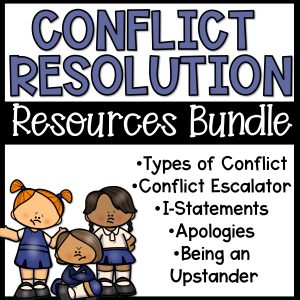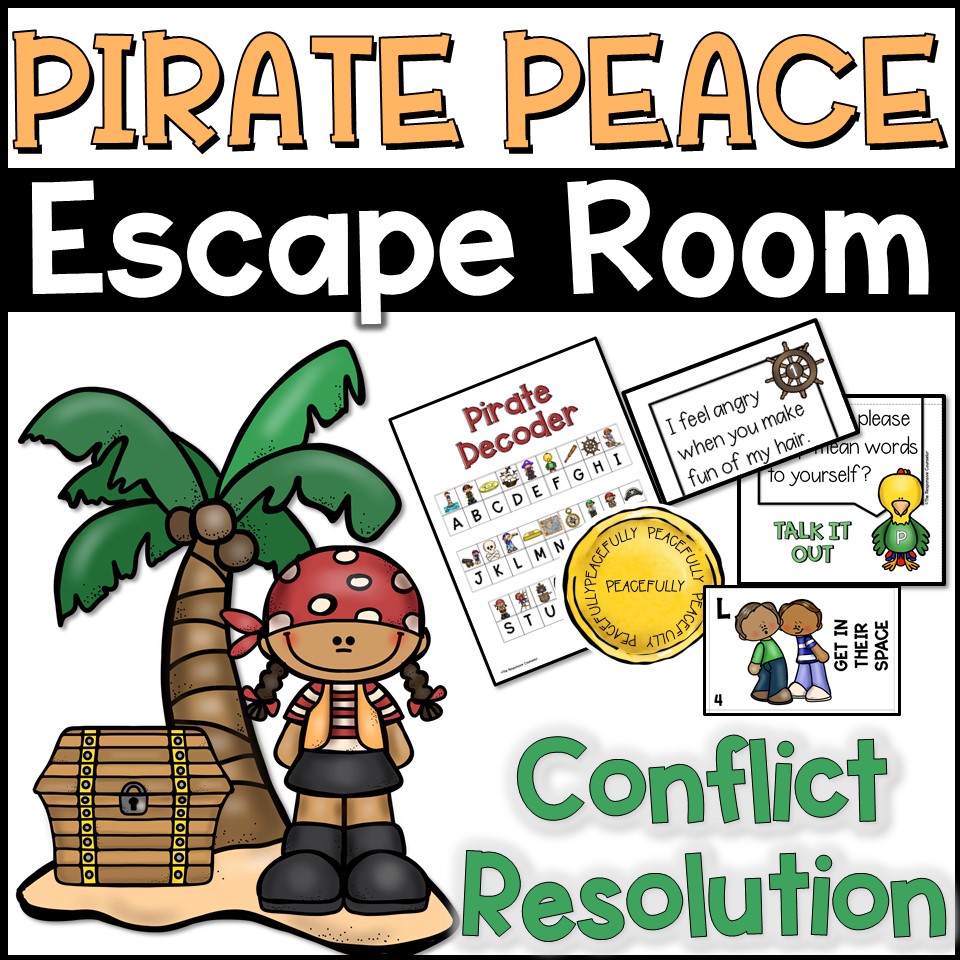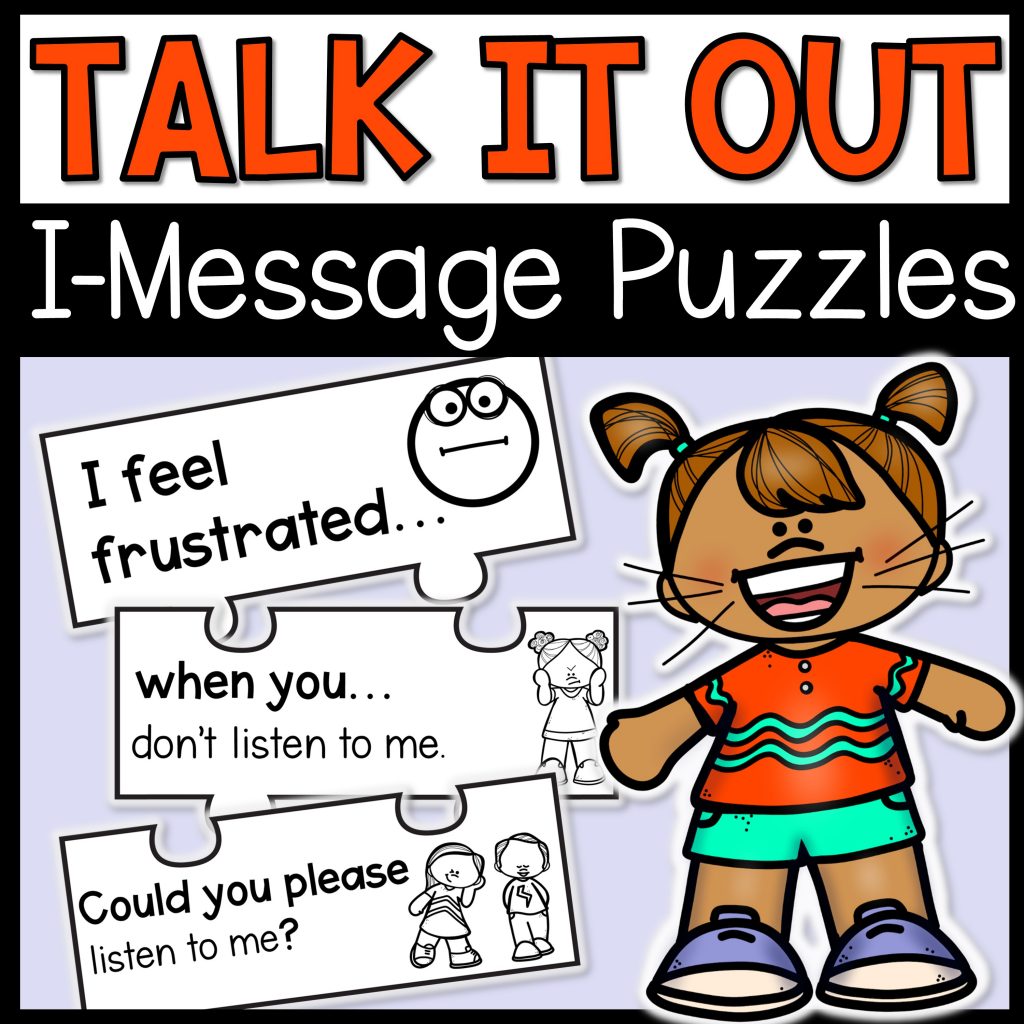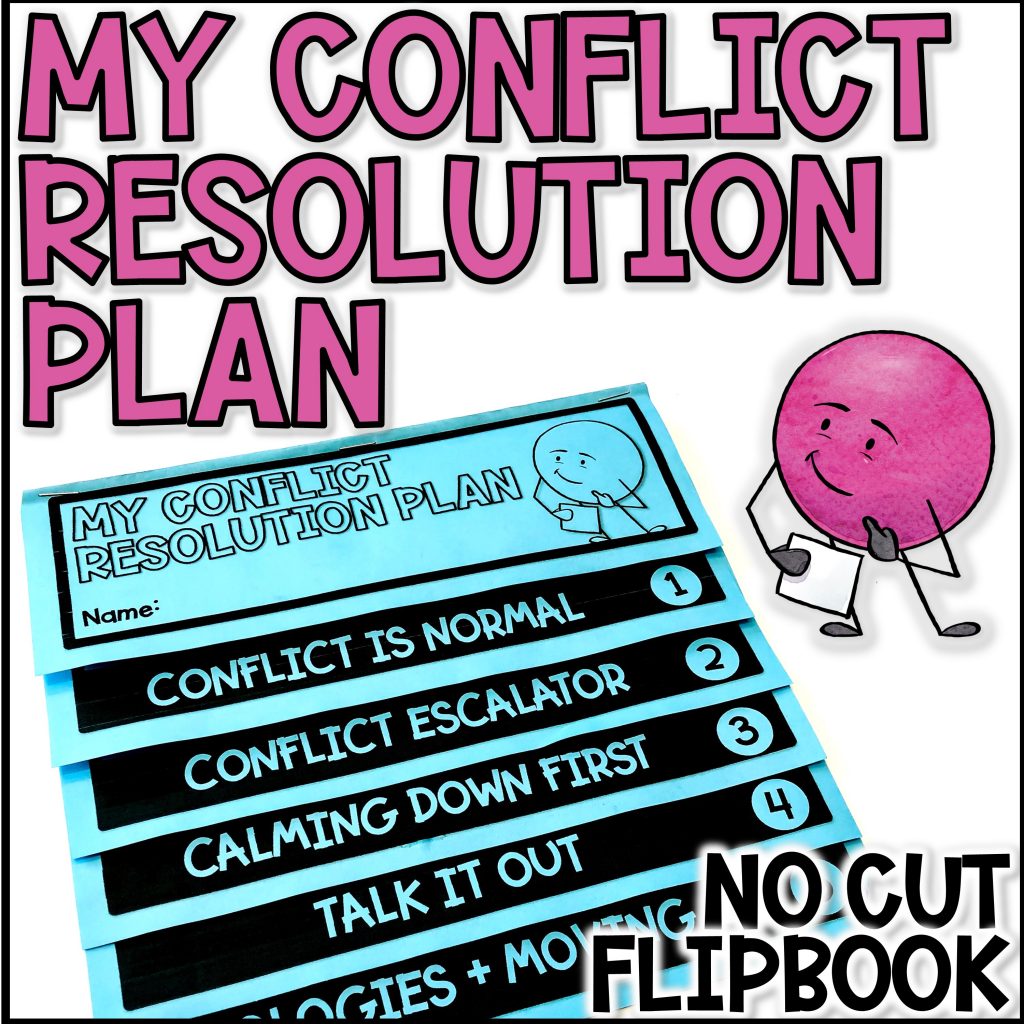
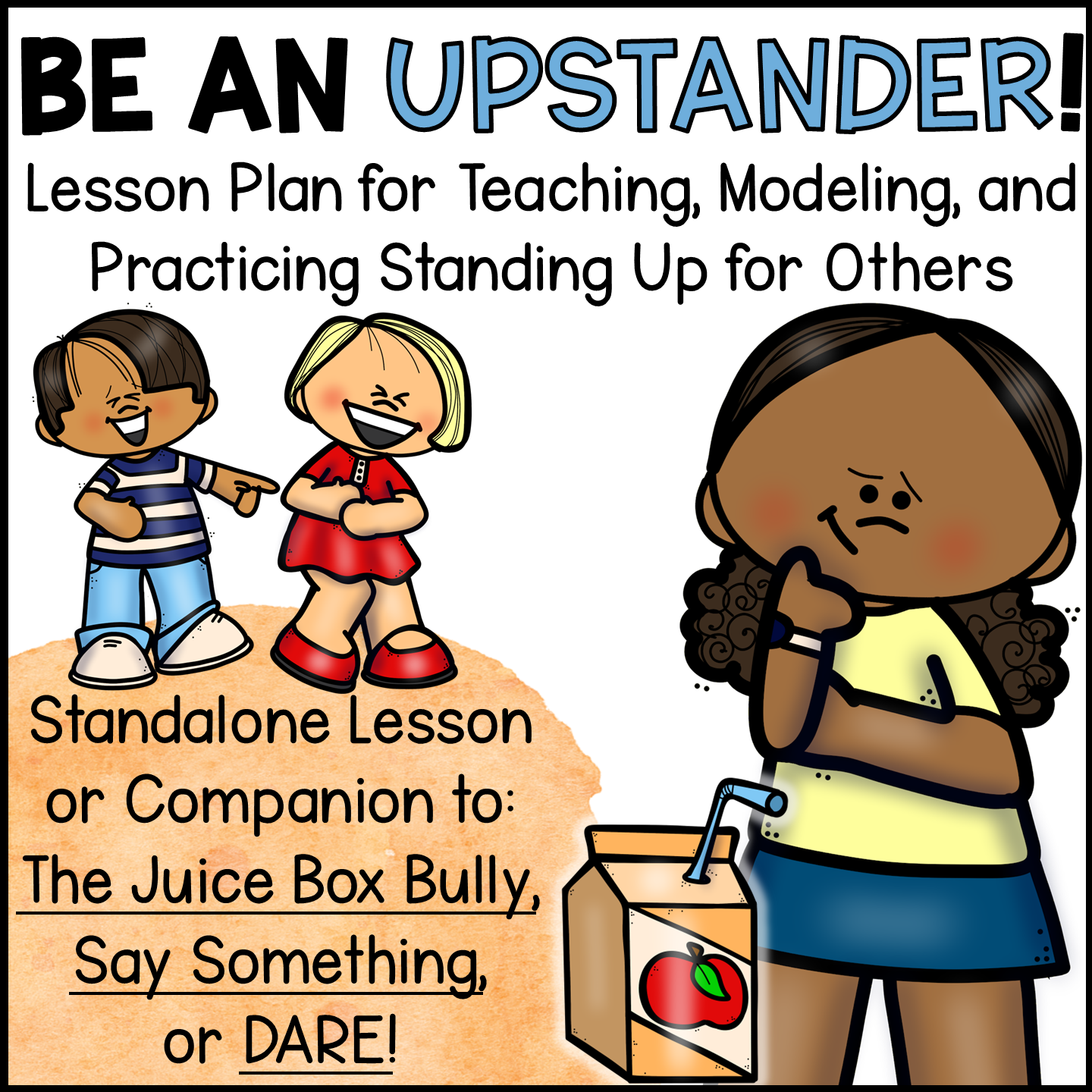
This lesson helps students in grades 2-4 understand why someone might stay a bystander and what they can say or do instead, then gives them real practice through scenarios and role play. Use the slideshow on its own, or pair it with Dare! by Erin Frankel, The Juice Box Bully by Bob Sornson and Maria Dismondy, or Say Something! by Peggy Moss.
What’s included:
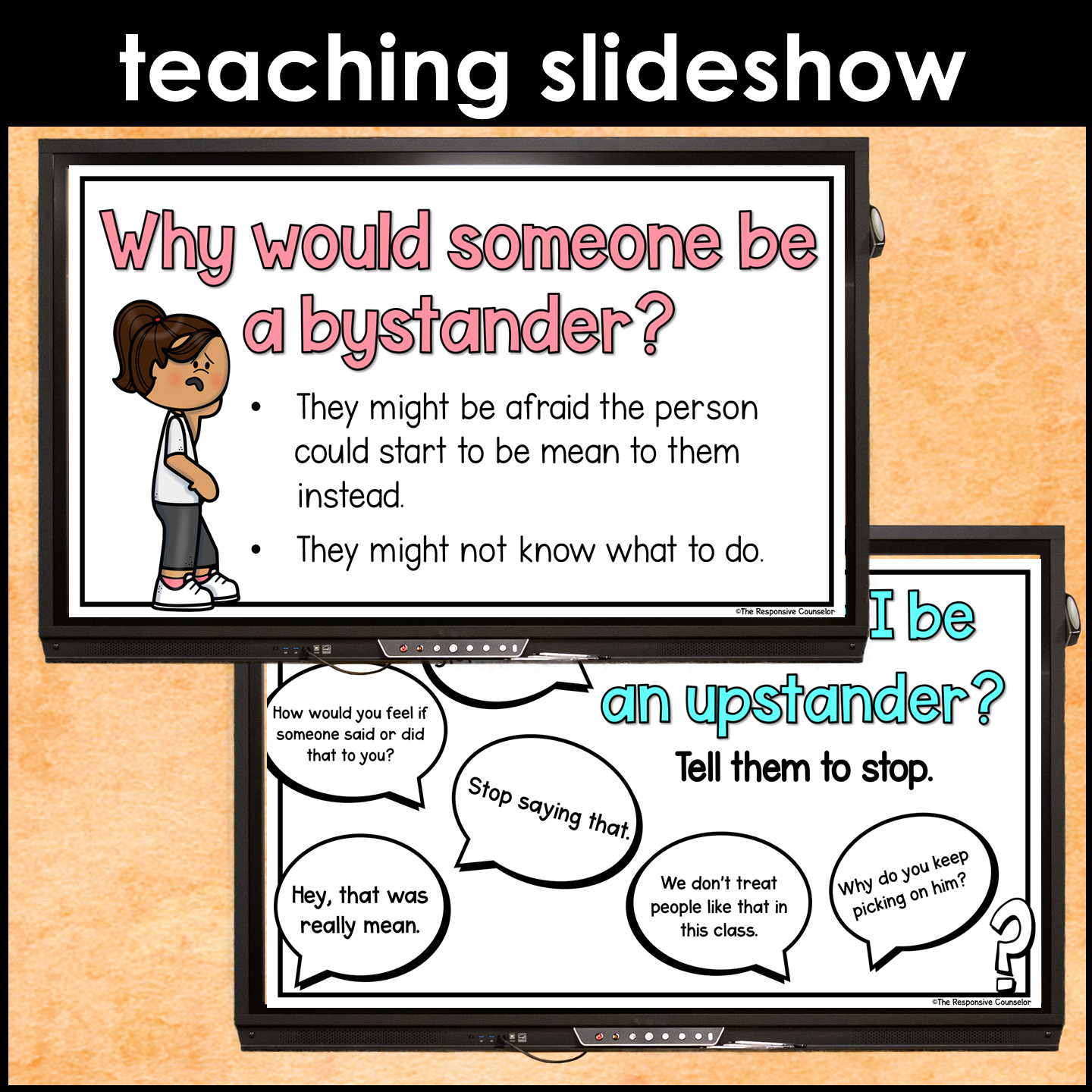
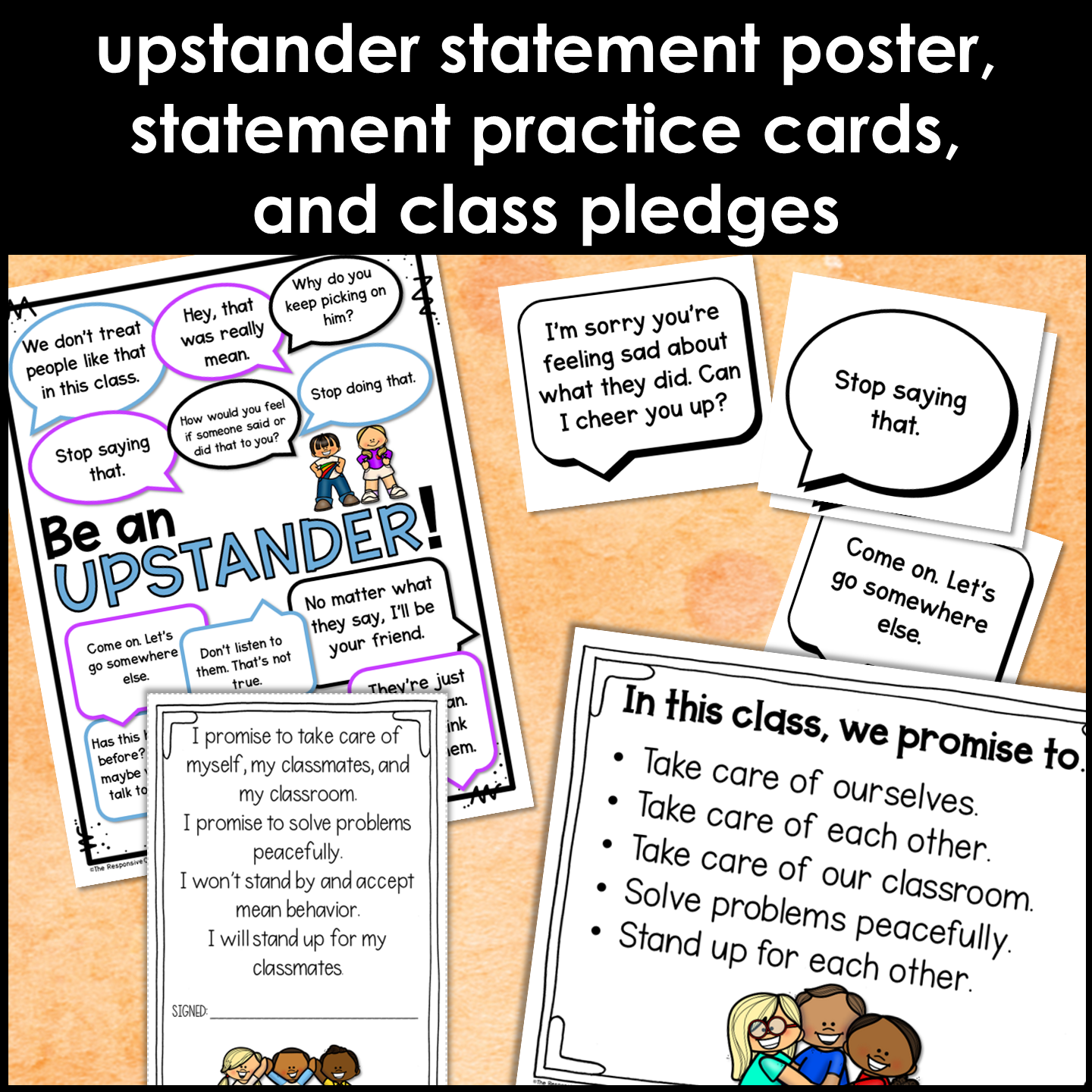
- A slideshow with a movement-based opening hook and teaching slides on being a bystander vs. an upstander
- Discussion questions for all three books
- Upstander statement cards with activity directions for students who need scaffolded practice
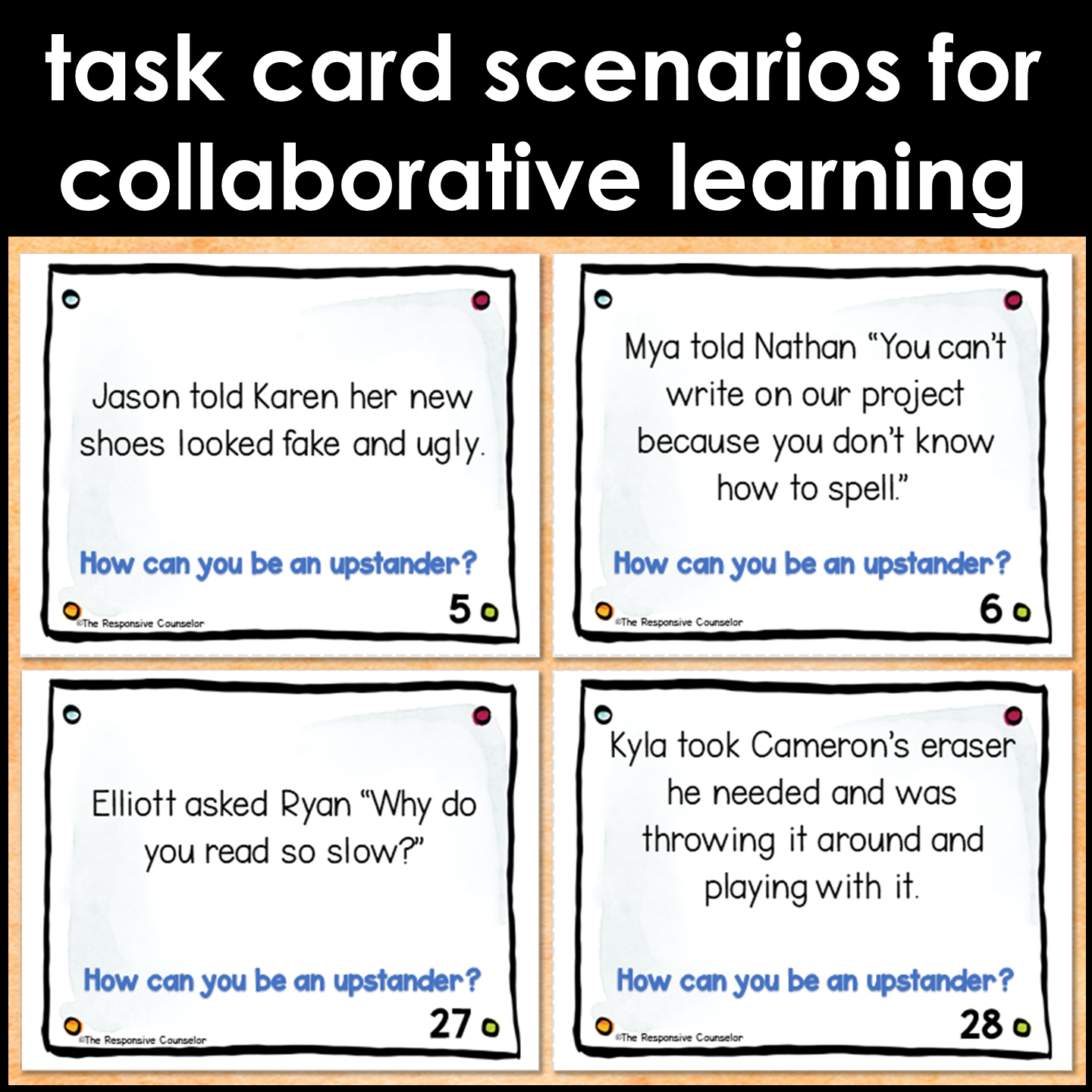
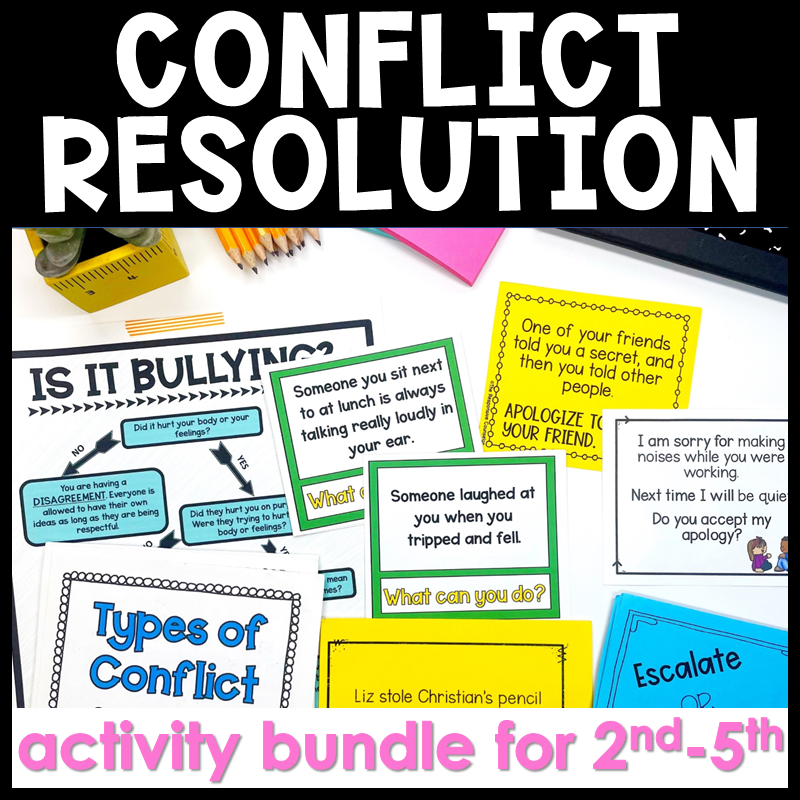
- 30 scenario task cards for role play or discussion
- Two versions of a classroom promise, with the option to have students sign
- Closing questions to use as a closing circle or exit ticket
- A written lesson plan with objectives and activity directions
How to use it:
- As a classroom guidance lesson or SEL lesson, or with a small group
- On its own with the slideshow, or as a book companion for one of the three books
- To build a positive classroom culture where students stand up for each other
Standards:
- ASCA Mindsets & Behaviors: create positive and supportive relationships with other students; demonstrate empathy; sense of belonging in the school environment
- CASEL: Relationship Skills and Social Awareness
Take a closer look! The Preview Resource tab shows sample pages from this resource.


 Reload document
 Open in new tab